
Post‑Menopause Energy Solutions – Boost Vitality & Beat Fatigue
Introduction
Menopause marks the end of menstruation but the beginning of a new life stage. As estrogen and progesterone decline, many women experience fatigue, sleep disturbances, mood changes and weight gain. The good news is that fatigue after menopause isn’t inevitable or untreatable. By combining hormone therapy, exercise, nutrition and stress management, women can reclaim their energy and thrive. This guide offers evidence‑based solutions tailored to women in Hurricane and Putnam County, with tips and resources to help you feel vibrant again.
Role of Hormone Replacement Therapy (HRT)
Estrogen and progesterone declines contribute to vasomotor symptoms (hot flashes, night sweats) and sleep disruption. Sleep deprivation amplifies fatigue, mood swings and cognitive difficulties. Hormone replacement therapy remains the most effective treatment for moderate to severe vasomotor symptoms. By reducing hot flashes and night sweats, HRT can improve sleep quality and energy. BodyLogicMD notes that estrogen replacement is considered the most effective treatment for vasomotor symptoms and can be instrumental in restoring energy levels. Progesterone therapy may also improve insomnia. Consult a healthcare provider to evaluate your risks and benefits before starting HRT. Women with histories of breast cancer, blood clots or liver disease may need alternative treatments.
Exercise for Energy

Regular movement may seem counterintuitive when you’re tired, but it increases energy. The Journal of Mid‑Life Health recommends a combination of aerobic exercise, strength training and balance exercises. Even moderate physical activity like walking briskly or cycling improves wellbeing; moving enough to get the heart pumping brings health benefits, including more energy. Aim for at least 150 minutes of moderate aerobic activity per week (e.g., 30 minutes of brisk walking five days a week) and include strength training two to three times per week.
Incorporate balance and flexibility exercises such as yoga or Pilates—these practices not only strengthen muscles but also improve posture, reduce stress and enhance sleep. A study of postmenopausal women found that Pilates improved sleep quality and decreased anxiety and fatigue. Yoga has been shown to reduce insomnia and raise melatonin levels.
Nutrition & Hydration

Eating nourishing foods can make or break your energy levels. Focus on:
Protein: Helps stabilise blood sugar and supports muscle maintenance. Include lean meats, fish, eggs, beans and nuts.
Complex carbohydrates & fibre: Whole grains, fruits and vegetables provide sustained energy and feed the gut microbiome. Avoid refined sugars and white flour, which cause blood sugar crashes.
Healthy fats: Avocado, olive oil, nuts and fatty fish support hormone production and reduce inflammation.
Hydration: Dehydration causes fatigue and headaches. Aim for 8–10 cups of water per day; add herbal teas or infused water for variety.
Micronutrients: Vitamin D and calcium support bone health; iron and vitamin B12 prevent anemia; magnesium aids sleep and muscle function. Get nutrients from food first, supplementing only when a deficiency is confirmed.
Minimise caffeine and alcohol, which disrupt sleep and exacerbate hot flashes. Choose local, seasonal produce such as leafy greens, apples, berries and sweet potatoes from West Virginia markets. Our clinic’s nutritionists can create a personalised meal plan that supports hormone balance and energy.
Sleep Hygiene & Stress Management
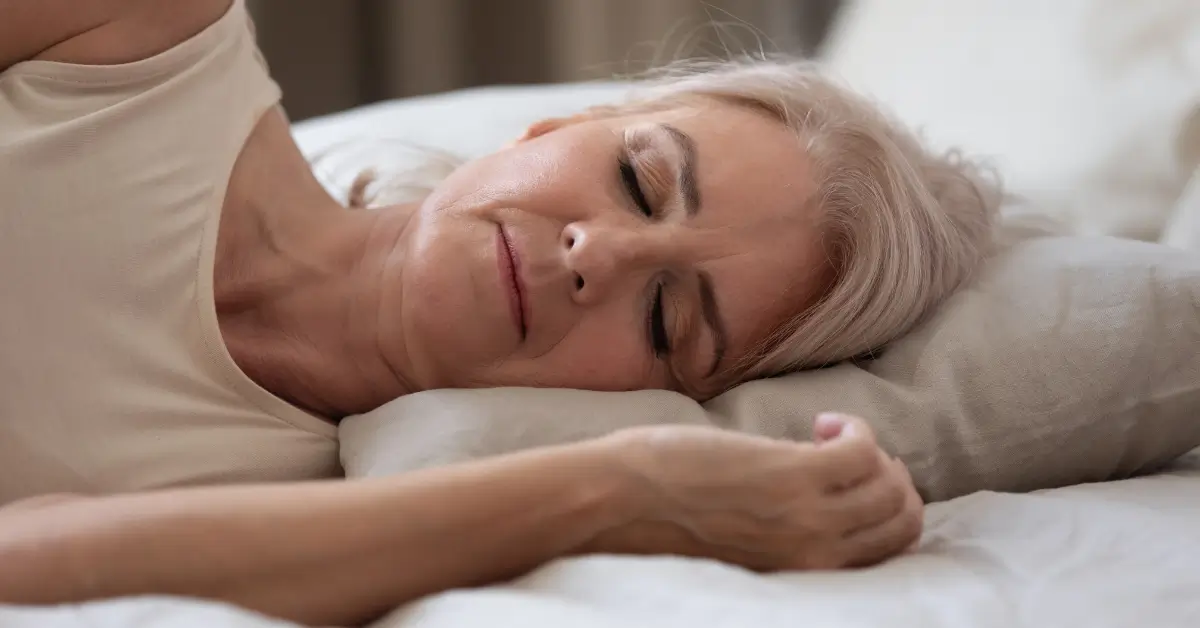
Quality sleep is essential for restoring energy. Tips include:
Stick to a consistent sleep schedule, even on weekends.
Create a sleep‑friendly environment: cool, dark, quiet bedroom; reserve bed for sleep and intimacy.
Limit screen time at least one hour before bed; blue light suppresses melatonin.
Try relaxation techniques like progressive muscle relaxation, deep breathing or guided imagery before bed.
Manage stress during the day through yoga, meditation, journaling or counseling. Chronic stress elevates cortisol and disrupts sleep.
Supplements & Alternative Therapies
Some supplements show promise for relieving menopausal fatigue:
Rhodiola rosea: An adaptogenic herb that may boost energy and reduce fatigue. Consult your doctor before use, especially if you’re on medications.
Soy isoflavones: Phytoestrogens that can decrease hot flashes and protect against cardiovascular disease; may slightly improve energy by reducing vasomotor symptoms.
Melatonin: Low‑dose melatonin can improve sleep quality and reduce insomnia.
Vitamin B12 and D injections: Nore Women’s Health mentions vitamin B12 and vitamin D shots to boost energy. These are appropriate only if you’re deficient; unnecessary injections provide little benefit.
IV vitamin therapy: Myers’ Cocktail (B vitamins, vitamin C, magnesium) is marketed for rapid energy benefits. Evidence is limited; consult a trusted provider and consider cost vs benefit.
Always discuss supplements with a healthcare provider to avoid interactions and ensure appropriate dosing. Be cautious of unverified products marketed online.
Holistic & Functional Approaches
Fatigue often has multiple causes: nutrient deficiencies, hormonal imbalances, gut dysbiosis, stress, poor sleep and sedentary lifestyle. A functional medicine approach identifies root causes. This may involve lab testing (iron, B12, thyroid, cortisol, sex hormones), stool analysis for gut health and micronutrient testing. Based on results, you and your practitioner might implement dietary changes, targeted supplements, stress‑reduction techniques and BHRT when appropriate. Our clinic offers functional wellness programs (see section above) tailored to post‑menopausal women.
Conclusion
Post‑menopausal fatigue has many contributors—from hormonal changes to lifestyle factors—but there are multiple avenues to restore energy. Evidence‑based strategies include hormone therapy (when appropriate), regular exercise, balanced nutrition, sleep and stress management, and targeted supplementation. Combining these approaches yields better results than relying on a single “magic bullet.” If you’re in Hurricane or Putnam County and want personalised guidance to boost your energy after menopause, contact our clinic. Our team of hormone specialists, nutritionists and health coaches will help you develop a tailored plan for lasting vitality.
