Hormone Imbalance Testing – Blood vs Saliva & What to Expect | Hurricane WV
Introduction
Hormones orchestrate processes from metabolism and reproduction to mood and sleep. When symptoms like fatigue, weight gain, hair loss, mood swings or low libido appear, you may suspect a hormonal imbalance. Lab testing provides insight into hormone levels and guides treatment. However, not all tests are equal. This article explains common hormone tests, contrasts blood, saliva and urine methods, and helps you decide when and how to get tested. Residents of Hurricane and Putnam County will also learn where to access comprehensive hormone testing locally.
Common Hormones Tested & Why
Estrogen (estradiol, estrone): Important for reproductive health, bone density, skin elasticity and brain function. Low levels cause hot flashes and vaginal dryness; high levels may contribute to weight gain, mood swings or fibroids.
Progesterone: Regulates menstrual cycles and pregnancy. Low levels can lead to irregular periods, PMS and difficulty maintaining pregnancy.
Testosterone: In men, controls libido, muscle mass and mood; in women, supports energy, bone density and libido. Low levels cause fatigue and decreased muscle; high levels in women may indicate PCOS.
Thyroid hormones (TSH, free T4, free T3): Control metabolism and energy. Elevated TSH indicates hypothyroidism; low TSH suggests hyperthyroidism.
Cortisol: The primary stress hormone; high levels indicate chronic stress or Cushing’s syndrome; low levels may indicate adrenal insufficiency.
DHEA & DHEA‑S: Precursors to sex hormones; low levels may contribute to fatigue and decreased libido; high levels in women may signal adrenal hyperplasia.
FSH/LH: Follicle stimulating hormone and luteinizing hormone regulate ovulation and reproductive function. Elevated levels can confirm menopause; low levels may signal pituitary issues.
Prolactin: High levels cause galactorrhea and can suppress ovulation or testosterone production.
Testing Methods
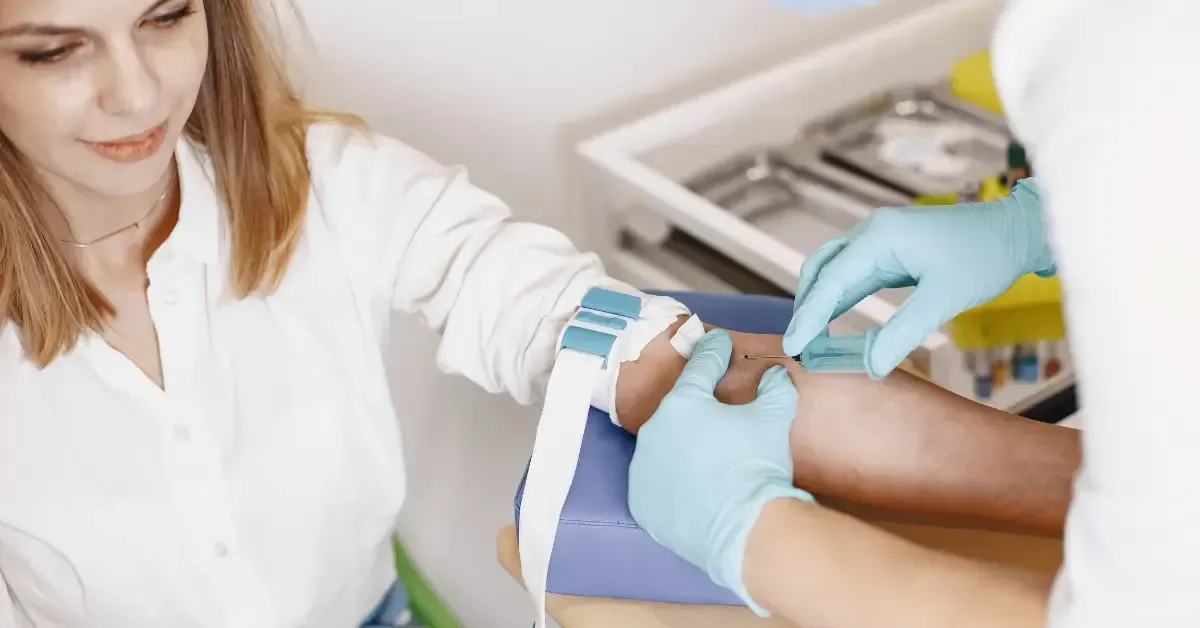
Blood Tests: The gold standard for most hormones. Venous blood samples measure total or free hormone levels. According to Testing.com, blood tests can detect testosterone, estrogen, cortisol and thyroid levels, and are the most common hormone tests. They provide a snapshot of circulating hormone levels at the time of draw.
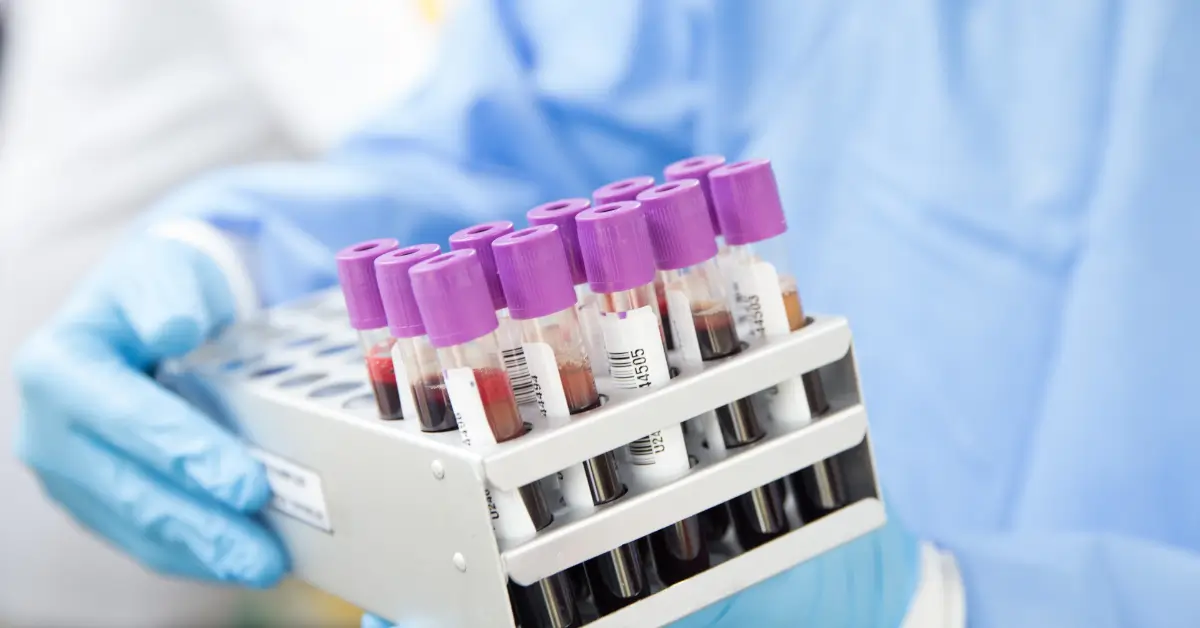
Saliva Tests: Measure free (unbound) hormone levels. Some clinics promote saliva testing for cortisol (often measured multiple times in a day) and sex hormones. However, the scientific community does not support generalized salivary hormone testing; there are no established normative ranges for many hormones, and results often do not correlate with symptoms. Saliva testing may be useful only in specific contexts, such as late‑night cortisol for diagnosing Cushing’s syndrome. Both the Mayo Clinic and endocrine societies warn that saliva‑based custom dosing is unreliable.
Urine Tests: Twenty‑four‑hour urine collection measures metabolites of hormones (e.g., cortisol, estrogen metabolites). It provides integrated values over a day and can reveal patterns of hormone metabolism. Dried urine hormone tests (DUTCH) are popular in functional medicine but can be expensive and should be interpreted by experienced practitioners.
Imaging & Biopsies: If hormone tests suggest gland abnormalities (e.g., pituitary adenoma, thyroid nodule), physicians may order ultrasound, MRI or biopsies.
Timing & Preparation
Fasting: For some tests (e.g., insulin), fasting is required; for others, it’s optional. Ask your provider.
Time of day: Cortisol follows a diurnal rhythm—highest in the morning and lowest at night. Blood draws for cortisol should be done around 8 AM unless your doctor orders multiple samples. Testosterone peaks in the morning; men should test between 7–10 AM.
Menstrual cycle: For premenopausal women, estradiol, progesterone, LH and FSH vary across the cycle. Day 3 (for baseline FSH, LH, estradiol) and mid‑luteal phase (around day 21 for progesterone) are common testing times.
Medication & supplements: Inform your provider about all medications, including oral contraceptives, steroids and herbs, as these can affect results.
Interpreting Results
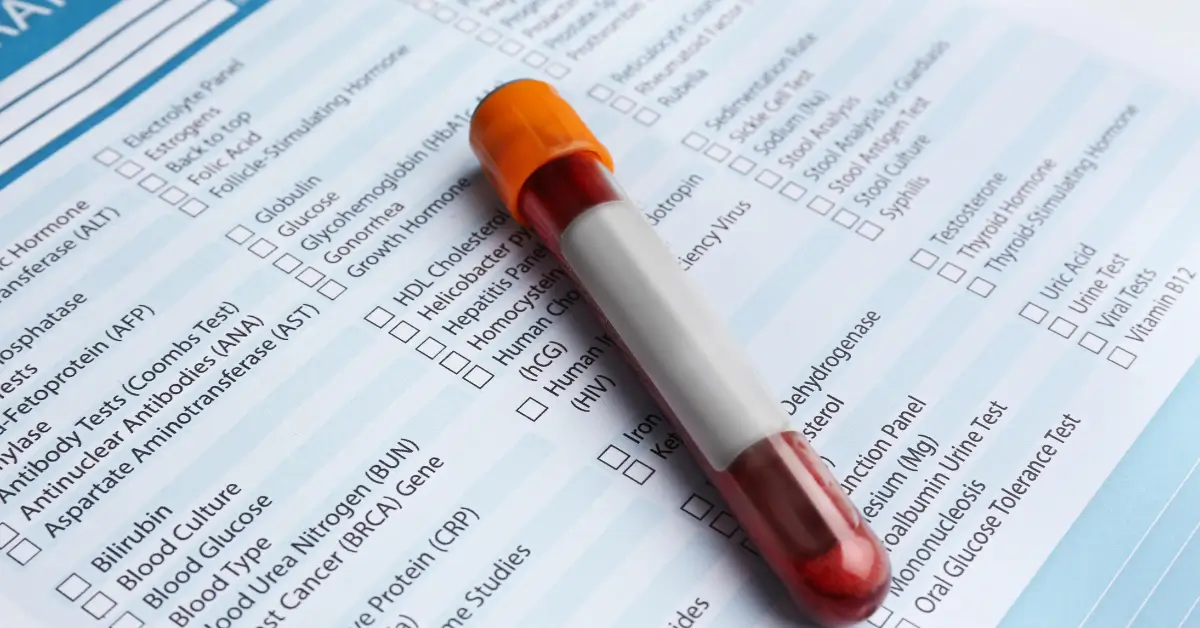
Lab reports provide reference ranges based on the population and assay used. However, “normal” doesn’t always equate to optimal. Functional ranges may differ. Work with a knowledgeable practitioner who considers symptoms, age, sex and life stage. For example, a “normal” testosterone level for a 30‑year‑old may be low for a 50‑year‑old. Hormone levels fluctuate; one abnormal value may warrant repeat testing. Use caution when interpreting tests purchased online; results should always be contextualised.
Controversies & Accuracy
The Prisk Orthopaedics & Wellness blog cautions that salivary hormone testing lacks established norms, is unvalidated for most conditions and shows weak correlation with symptoms. It warns that relying on such tests can lead to misdiagnosis and unnecessary treatment. The Mayo Clinic notes that saliva tests used to customise bioidentical hormones are unreliable and not evidence‑based. Blood tests remain the standard for sex hormone assessment.
When to Test & How Often
Symptoms of Menopause/Andropause: Test estradiol, progesterone, testosterone, FSH and LH to confirm menopause or evaluate low T. Initial testing guides therapy; subsequent monitoring every 3–6 months ensures proper dosing.
Thyroid Disorders: Test TSH and free T4 if you experience fatigue, weight changes, cold or heat intolerance, or hair loss. Monitor annually once stable.
Adrenal Issues: Morning cortisol and ACTH tests detect adrenal insufficiency or Cushing’s syndrome. Salivary cortisol or 24‑hour urine cortisol may be used for specific diagnoses.
Fertility Concerns: Evaluate FSH, LH, estradiol, progesterone and prolactin on specific cycle days; test sperm parameters for men.
Monitoring BHRT: Check total and free hormone levels (testosterone, estradiol), SHBG, complete blood count and metabolic profile every 3–6 months initially, then annually.
Local Testing & Services
Residents of Hurricane and Putnam County have several options for hormone testing:
Primary Care or Endocrinology Clinics: Most offer standard thyroid and sex hormone panels. Ask whether they can run free hormone levels and SHBG.
Our Clinic: We provide comprehensive hormone testing including thyroid panel (TSH, free T4/T3), sex hormones (estradiol, progesterone, testosterone, SHBG, DHEA), cortisol (serum and optional DUTCH), insulin and fasting glucose. We partner with accredited labs and avoid unvalidated saliva tests. Results are reviewed with you in detail, and we design a personalised plan integrating BHRT (when needed), nutrition and lifestyle.
Functional Laboratories: Some tests may be ordered if clinically indicated and you’re willing to self‑pay.
Conclusion
Accurate hormone testing is crucial for diagnosing imbalances and guiding treatment. Blood tests remain the gold standard for sex hormones, thyroid hormones and most adrenal hormones. Saliva tests have limited applications and should not be used to tailor BHRT doses. Work with a qualified provider who considers symptoms, life stage and laboratory results to interpret tests. If you live in Hurricane or Putnam County and suspect a hormonal imbalance, contact us to schedule comprehensive testing and begin your journey toward balanced health.
