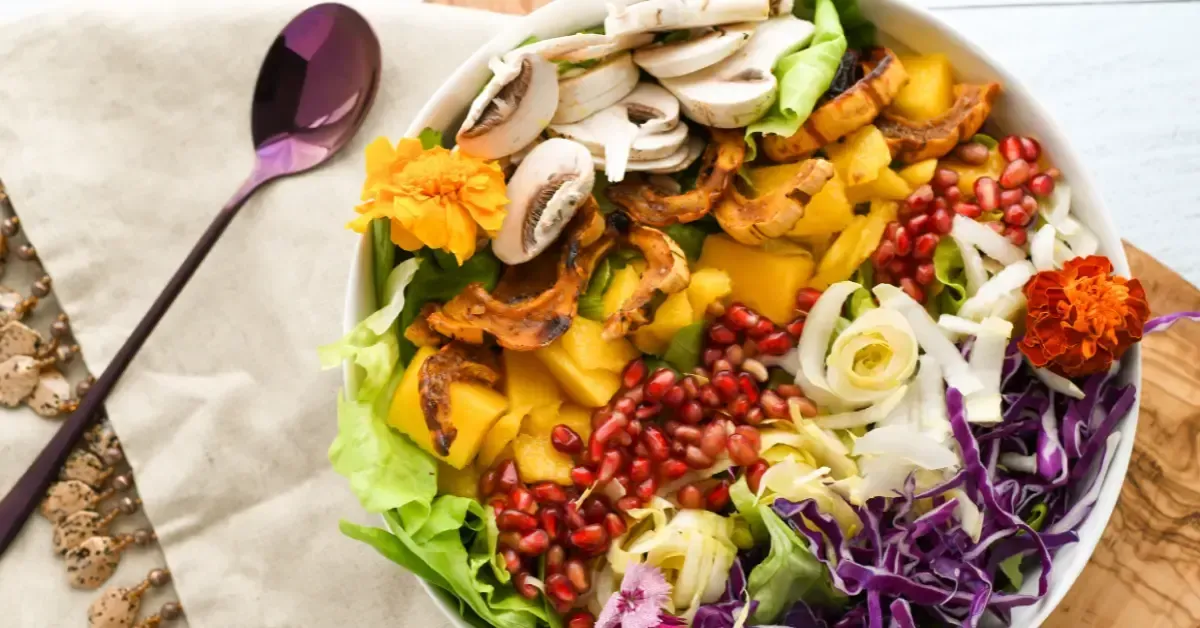
Nutrition and Hormone Balance: A Comprehensive Guide for West Virginia Adults
Introduction
Your food does more than fuel your body—it delivers the building blocks for hormones that regulate metabolism, mood, energy, libido and more. For adults aged 35–65 (especially those in Putnam County, WV), optimizing diet can ease the path of hormone therapy, menopause or low‑testosterone treatment. In this guide, we’ll walk you through what to eat, how it works, and why it matters—especially as patients at our local BHRT clinic in Hurricane.
How Nutrition Directly Affects Hormones

Macronutrients matter. High‑quality protein (like eggs, chicken, beans, Greek yogurt) gives amino acids needed for hormone synthesis. Healthy fats (avocado, olive oil, salmon, walnuts) support steroid hormones such as testosterone, estrogen and cortisol. Fiber (from vegetables, beans, berries, whole grains) helps regulate blood sugar and improves estrogen metabolism in the gut and liver.
Micronutrients are critical. Thyroid hormones rely on iodine, selenium, and iron. Deficiencies can impair thyroid conversion and function. Magnesium, zinc and vitamin D support adrenal health and sex hormone production.
Glycemic control and hormone sensitivity. High‑glycemic foods cause blood sugar swings and insulin resistance. Over time this stresses metabolic and reproductive hormone pathways. Diet patterns like Mediterranean or moderate‑carb support better insulin sensitivity and cortisol balance.
Hormone‑Supporting Foods to Embrace

Lean proteins: eggs, Greek yogurt, cottage cheese, chicken, lentils. Protein with every meal slows glucose, supports hormone formation.
Healthy fats: avocado, olive oil, nuts/seeds, cold‑water fish. Omega‑3s reduce inflammation and aid cortisol and testosterone regulation.
High‑fiber veggies & fruits: broccoli, Brussels sprouts, apples, beans, berries. Fiber helps eliminate excess estrogen & stabilize blood sugar.
Phytoestrogen‑rich plant foods: flax and sesame seeds, soy products, legumes. These plant compounds mimic estrogen mildly and support balance in perimenopause and menopause.
Seed cycling foods: flax & pumpkin seeds in follicular phase, sesame & sunflower in luteal phase—support estrogen and progesterone fluctuations.
Try local WV favorites: pumpkin seeds (dry‑roasted), flax meal in oatmeal, seasonal apples for fiber and phytonutrients.
Meal Timing & Sample Menu

Chrononutrition principle: Your body’s insulin sensitivity and cortisol follow a daily rhythm. Eating biggest meals earlier supports metabolic balance; avoid late heavy dinners.
Sample day (Hurricane‑friendly):
Breakfast: WV‑grown oatmeal with flaxseed, berries, walnuts, Greek yogurt.
Lunch: Grilled chicken salad with mixed greens, pumpkin seeds, avocado, olive oil dressing.
Dinner: Baked salmon, roasted broccoli & Brussels sprouts, quinoa.
Snacks: Apple with almond butter, chia pudding, or a handful of seeds + carrots.
Lifestyle & Supplements
Sleep & stress: Poor sleep disrupts cortisol, leptin, ghrelin, growth hormone. Aim for 7+ hours per night.
Gut & inflammation: Fiber, pre/probiotics support estrogen clearance and reduce inflammatory burden.
Supplements when needed: Vitamin D, magnesium, zinc, inositols (especially for PCOS), or adaptogens like ashwagandha—under care of provider..
Targeted Guidance: Women & Men
Women (perimenopause/menopause): Phytoestrogens from flax, soy, legumes may ease hot flashes and mood swings. Magnesium and vitamin B6 support progesterone. Creatine (with resistance training) can help with bone, mood and brain clarity after 40.
Men (low testosterone): Moderate‑fat diets outperform ultra low‑fat approaches. Ensure sufficient calories, protein and healthy fats to preserve testosterone levels.
Thyroid support: Adequate iodine (seafood, iodized salt), selenium (Brazil nuts, sunflower seeds), iron (lean red meat, spinach) support thyroid hormone function. But avoid excessive raw cruciferous veggies if iodine is low.
Nutrition + BHRT: Real Synergy
Our BHRT pellet therapy delivers steady hormone levels. Supporting that with nutrition improves outcomes: better metabolic responses, weight stability, mood support. Patients who follow our tailored dietary guidance alongside therapy report faster symptom relief—especially in energy, sleep, hot flashes and muscle tone.
Local tip: shop at Putnam County Farmer’s Market for seasonal produce and local walnuts, apples, pumpkins. Combine therapy with a nutritional consult at our clinic in Hurricane for best results.
FAQs
“Can one food balance my hormones?”
No—hormonal health emerges from overall dietary patterns, lifestyle and sleep combined.“How much seeds should I eat?”
A tablespoon of flax or pumpkin seeds per day is a good start. For seed cycling: ~1 tbsp each of flax and pumpkin in first half of cycle; sesame and sunflower seeds (~1 tbsp each) in latter half.“How long to see effects?”
Nutritional changes may take 4–12 weeks to yield noticeable benefits—especially when paired with hormone therapy.“Can I skip BHRT and just eat better?”
Healthy eating is foundational, but for many adults 35–65 with hormone deficits, diet alone may not fully resolve imbalances. BHRT combined with nutrition tends to offer stronger and faster relief.“Is intermittent fasting good for hormones?”
Fasting may improve insulin sensitivity—but isn’t suitable for everyone. Talk to our providers to customize timing based on individual hormone status.
Conclusion
Nutrition is not a cure‑all, but it’s the foundation for healthy hormone balance. Protein, fiber, healthy fats, and nutrient‑rich whole foods—especially phytoestrogen‑rich seeds and plant proteins—support estrogen, testosterone, cortisol, insulin and thyroid function. When paired with quality sleep, stress relief, BHRT therapies, and supportive supplements, nutrition becomes a powerful ally.
If you’re in the Hurricane, WV area, schedule a Nutrition + Hormone Consultation with our clinic. Get a personalized meal plan, seed‑cycling protocol, and lifestyle recommendations that complement your BHRT program. We’d love to support your journey to balanced energy and vitality.
